Featured
Table of Contents
Despair is a complex process that differs from one person to another. The 5 stages of grief rejection, rage, bargaining, depression, and acceptance are a valuable structure for considering grief, yet it does not suggest we'll undergo every stage. We can experience these elements of sorrow at different times, and they do not take place in one specific order.

This website makes use of cookies to aid personalise content, customize your experience and to keep you logged in if you register. By remaining to use this website, you are granting our use cookies.
The seven phases of grief are a layout for just how an individual might regret. This cyclical structure is indicated to help you much better understand your feelings and is not meant to prescribe how you need to grieve, what you should be sensation, or in which order. Every person regrets in a different way. Each phase might come and go or overlap the others.
Learn much more about the seven stages of pain. Despair can be a challenging and untidy procedure.
IFS / Parts Work Therapy Care for Healthcare & Medical Professionals Practitioners in the San Francisco Region
That's due to the fact that no one can ever be genuinely prepared for a loss so considerable. Most of the time, this is because your body has actually not refined the loss.
These feelings and experiences are self-protective devices that function as a buffer to make sure that you are not overwhelmed simultaneously. Due to the fact that the fatality of a loved one can have such a significant influence on you, you may experience denial. During this stage of despair, it is simply also difficult for your mind to comprehend that your household member, friend, or various other liked one is gone.
As you slowly start to approve the loss and what it indicates for your life now, your rejection will certainly begin to reduce. You might have a broader range of feelings and emotions when rejection subsides. Up until after that, you might have periods when you really feel distressed, which can be triggered by suggestions of your enjoyed one.
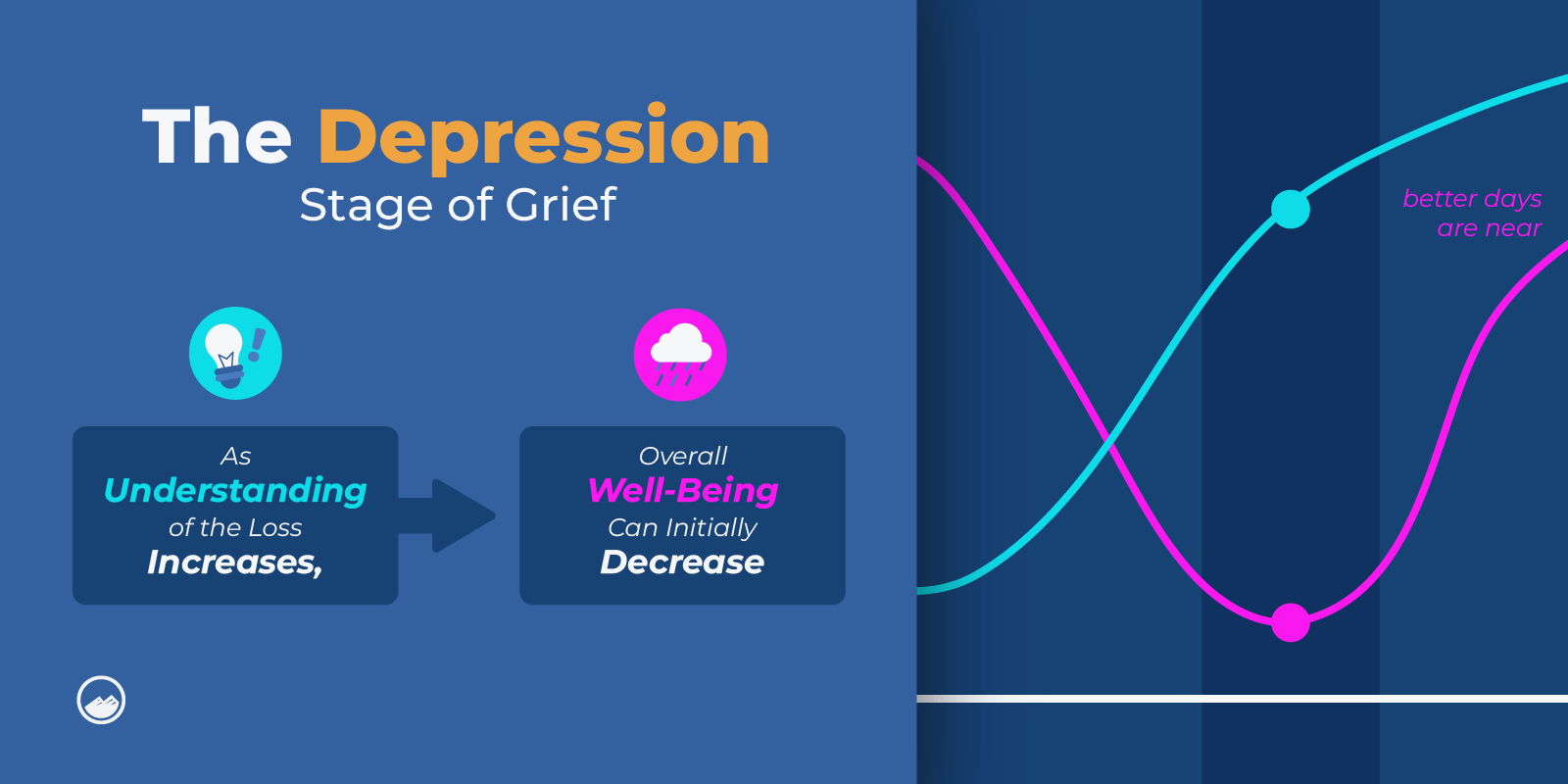
In many cases, it's a regular sensation to wish to stay clear of others to ensure that you do not need to acknowledge or review your loss. Occasionally, you feel absent-minded, get easily distracted, or postpone during this stage of grief. You may also attempt to stay active constantly or closed down mentally.
Key Qualities in a Therapist Who Specializes in High-Achievers
In specific scenarios, you could additionally feel angry with the healthcare providers, your good friends, member of the family, God, or any type of other spiritual being(s) you think in. Yet under all that temper is your pain. While it might be awkward to manage, it offers much more structure to your grieving than staying numb.
During this stage, individuals frequently feel defenseless and helpless and ask themselves "what if" inquiries. You may really feel guilty for refraining from doing even more to keep the loss from happening or for not investing more time with the person you shed. Throughout the bargaining stage, it's usual to question or state, "I should have done this ..." or "If I had only done that ..." While these kinds of uncertainties are typical, they are not where you desire your thought process to remain.
Evidence-Based Approaches for Starting Your Healing Journey with EMDR in the Area
Rather, try considering any kind of great memories you have with them. In some cases, merely reviewing these ideas can help you allow go of the regret. It might also be helpful to do something specific, like compose a letter to your enjoyed one or talk with them out loud. When you come to terms with the truth of the loss, a much deeper degree of sadness may start to creep in.
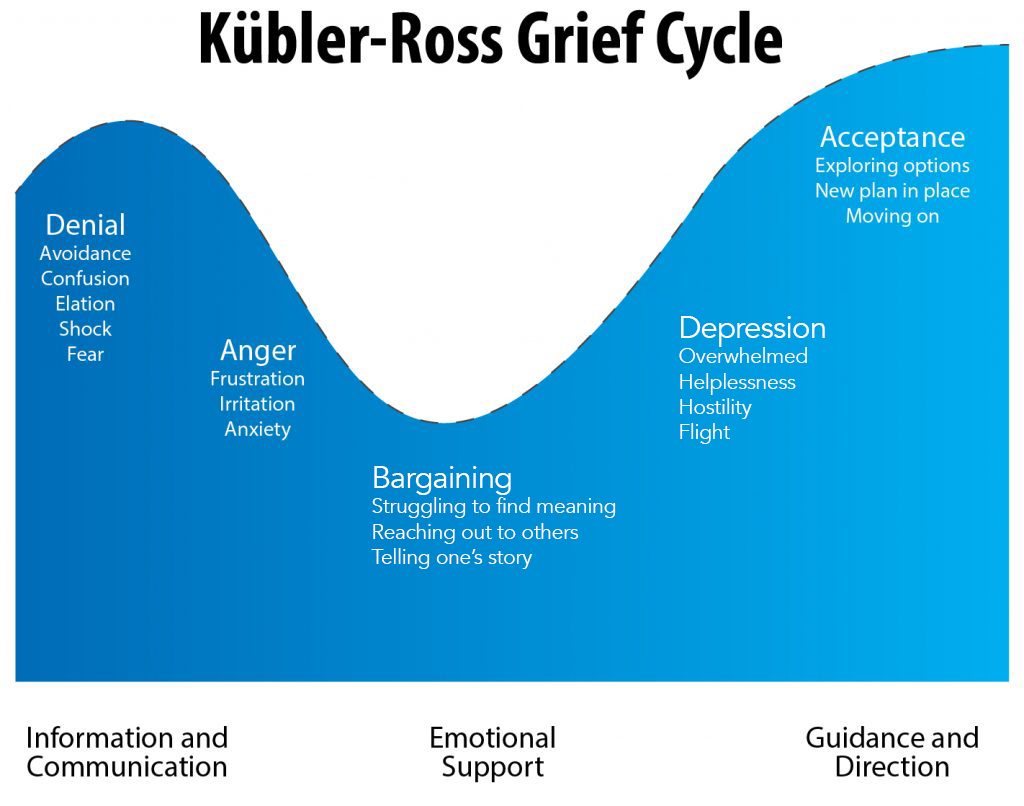
You can additionally go to for a list of added resources or call the number below to get to Drug abuse and Mental Health Services Administration (SAMHSA) hotline. The testing phase of the grieving procedure frequently involves experimenting with various things that help you progress. In this phase, you are beginning to construct your new normal in addition to refining your sensations and feelings produced by the loss.
Reaching the approval phase does not imply you are alright with what happened. Instead, this part of the grieving process is more about accepting what your life resembles now. You will certainly still require to pay attention to your feelings and adjust, but you will start to feel more wholeeven if it looks various than it did before.

Latest Posts
Processing the Relationship Between Unresolved Trauma
Schema Work and CBT
Your Path Toward True Healing